 EN
EN
 DK
DK
Copenhagen by Night: Bike Tour Featured
Culture
Copenhagen View Location
Free Cancellation - Full refund up to 24 hours before the experience starts (Local time)
Description
To keep the experience personal and enjoyable, we limit the group to a maximum of 8 guests. This allows for a relaxed pace, more time for questions, and a friendly atmosphere throughout the tour. It is a great choice for first-time visitors, new residents, or locals who would like to experience Copenhagen from a different perspective.
We meet at Borgergade 30, 1300 København, where the evening tour begins. From there, we start exploring the city by bike as Copenhagen slowly transitions into its calm and atmospheric nighttime setting. Riding through the city in the evening offers a different perspective, with quieter streets, beautiful lights, and a more relaxed atmosphere.
During the tour, you will discover many of Copenhagen’s most iconic landmarks while enjoying the peaceful ambiance of the city after sunset. Along the route, you will see royal landmarks, colorful waterfront areas, and historic streets that take on a special charm in the evening light. The tour also includes a short visit to Christiania, one of the city’s most unique and alternative neighborhoods.
Throughout the ride, your guide will share stories, local insights, and interesting facts about Copenhagen’s history, architecture, and everyday life. There will also be several photo stops along the way, giving you the chance to capture the city’s beautiful evening views.
This tour is perfect for travelers who want a unique introduction to Copenhagen in the evening. In about 2.5 hours, you will experience the city’s highlights in a calm and memorable atmosphere, discovering a different side of Copenhagen after dark.
Itinerary
Start: Borgergade 30, 1300 København
The tour begins at Borgergade 30, 1300 Copenhagen. At the starting point, your guide will welcome you and provide important safety instructions and practical tips for cycling comfortably and safely around Copenhagen.
Amalienborg Palace
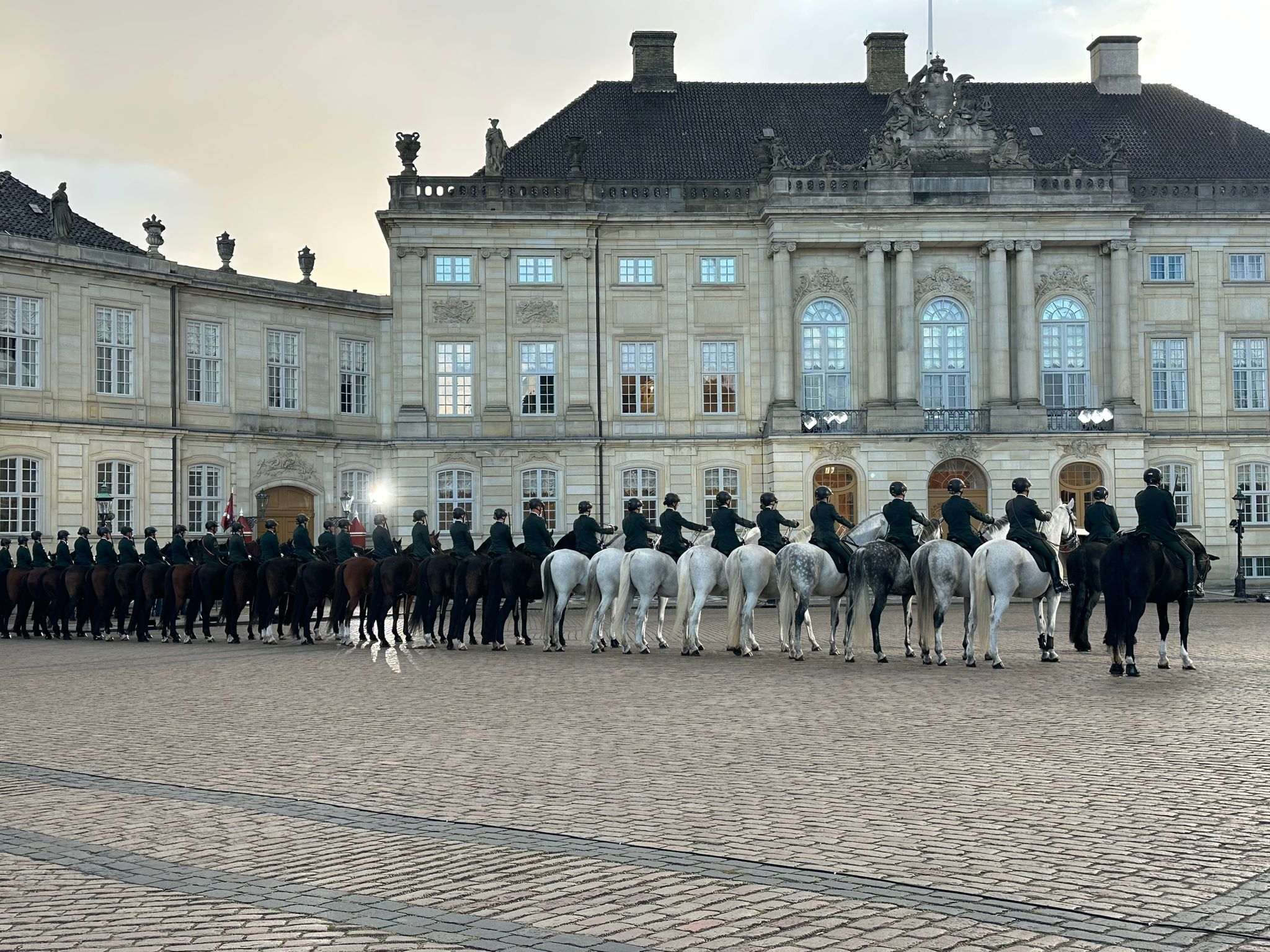
The next landmark you will see is Amalienborg Palace, home of the Danish royal family and one of Copenhagen’s most important landmarks. Built as part of the Frederiksstaden district, the palace complex consists of four elegant buildings surrounding an octagonal square with a statue of King Frederik V at its center. Here, you will also see the Royal Guards and have the chance to take photos near the palace.
Gefion Fountain
The next landmark you will see up close is the Gefion Fountain, one of Copenhagen’s most impressive fountains. Located next to St. Alban’s Church, it shows the Nordic goddess Gefion driving four oxen in the legendary story of how Zealand was created. Donated by Carl Jacobsen and unveiled in 1908, it is a striking symbol of Danish mythology and history.
Kastellet Fortress
The next landmark you will see up close is the Gefion Fountain, one of Copenhagen’s most impressive fountains. Located next to St. Alban’s Church, it shows the Nordic goddess Gefion driving four oxen in the legendary story of how Zealand was created. Donated by Carl Jacobsen and unveiled in 1908, it is a striking symbol of Danish mythology and history.
The Little Mermaid
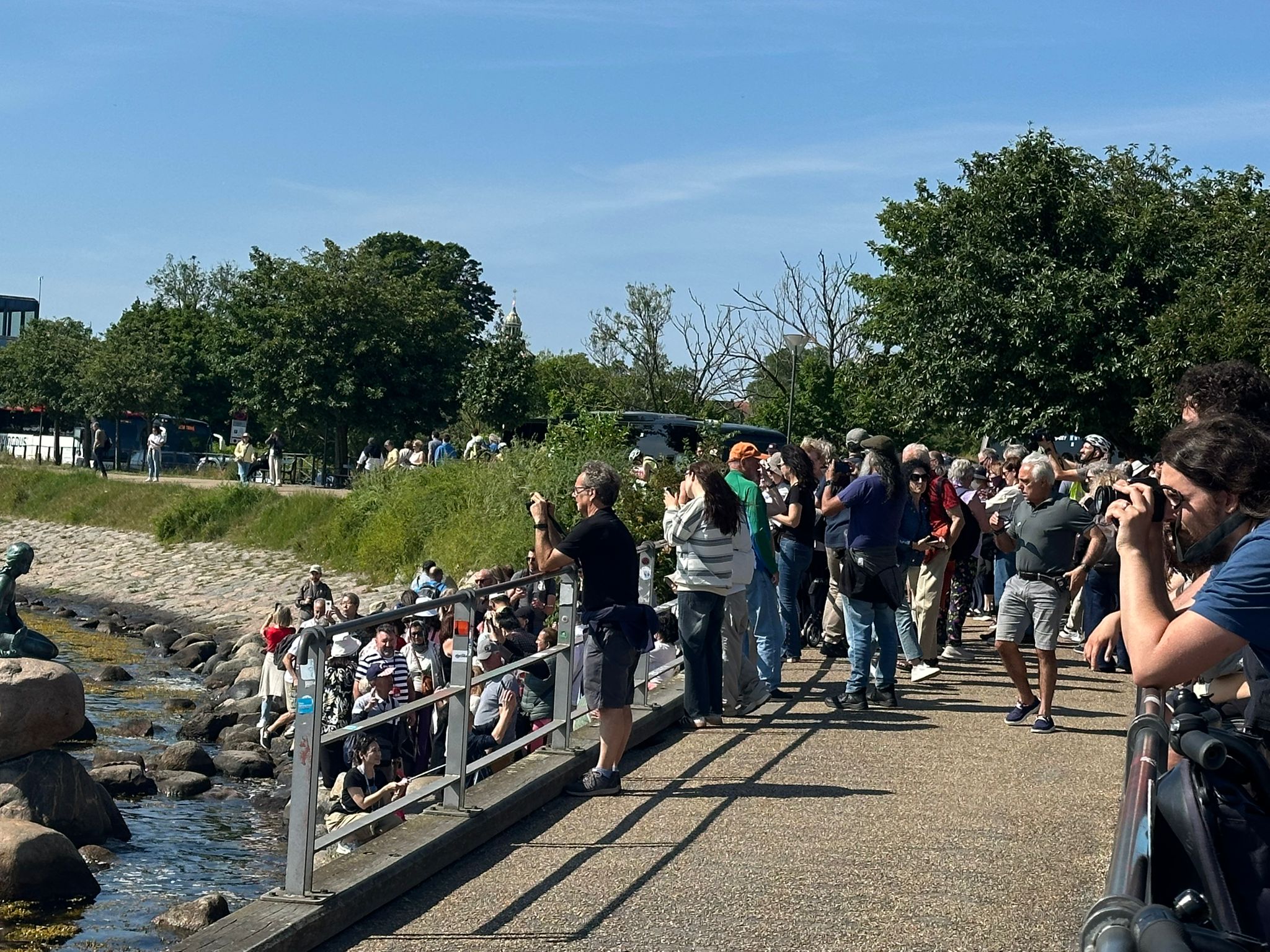
The next landmark you will see is the Little Mermaid, Copenhagen’s most famous statue and one of its most visited attractions. Inspired by Hans Christian Andersen’s fairy tale, the statue was unveiled in 1913 and sits quietly on a rock by the harbor. Today, it stands as a symbol of Denmark’s storytelling tradition and Copenhagen’s close connection to the sea.
Royal pavilion
The next stop is the Royal Pavilions at Nordre Toldbod. Built in 1905, these small historic buildings were used as waiting and reception shelters for the Danish Royal Family when arriving or departing by sea. They are closely connected to royal maritime traditions and ceremonies involving the Royal Yacht Dannebrog.
Church of Our Saviour
he next landmark you will see is the Church of Our Saviour, one of Copenhagen’s most striking churches. Completed in the late 17th century, it is famous for its dramatic Baroque tower and distinctive golden spiral staircase, which winds around the outside of the spire to the top. Added in 1752, it remains one of the city’s most recognizable landmarks.
Copenhagen Opera House (viewpoint)
The next stop is the Copenhagen Opera House, also known as Operaen. Located on Holmen, directly opposite Amalienborg Palace, it is Denmark’s national opera house and one of the city’s most striking modern landmarks. Designed by Henning Larsen, it was completed in 2004 and officially opened in January 2005. It is especially known for its dramatic roof overhang and richly decorated interior.
Nyhavn
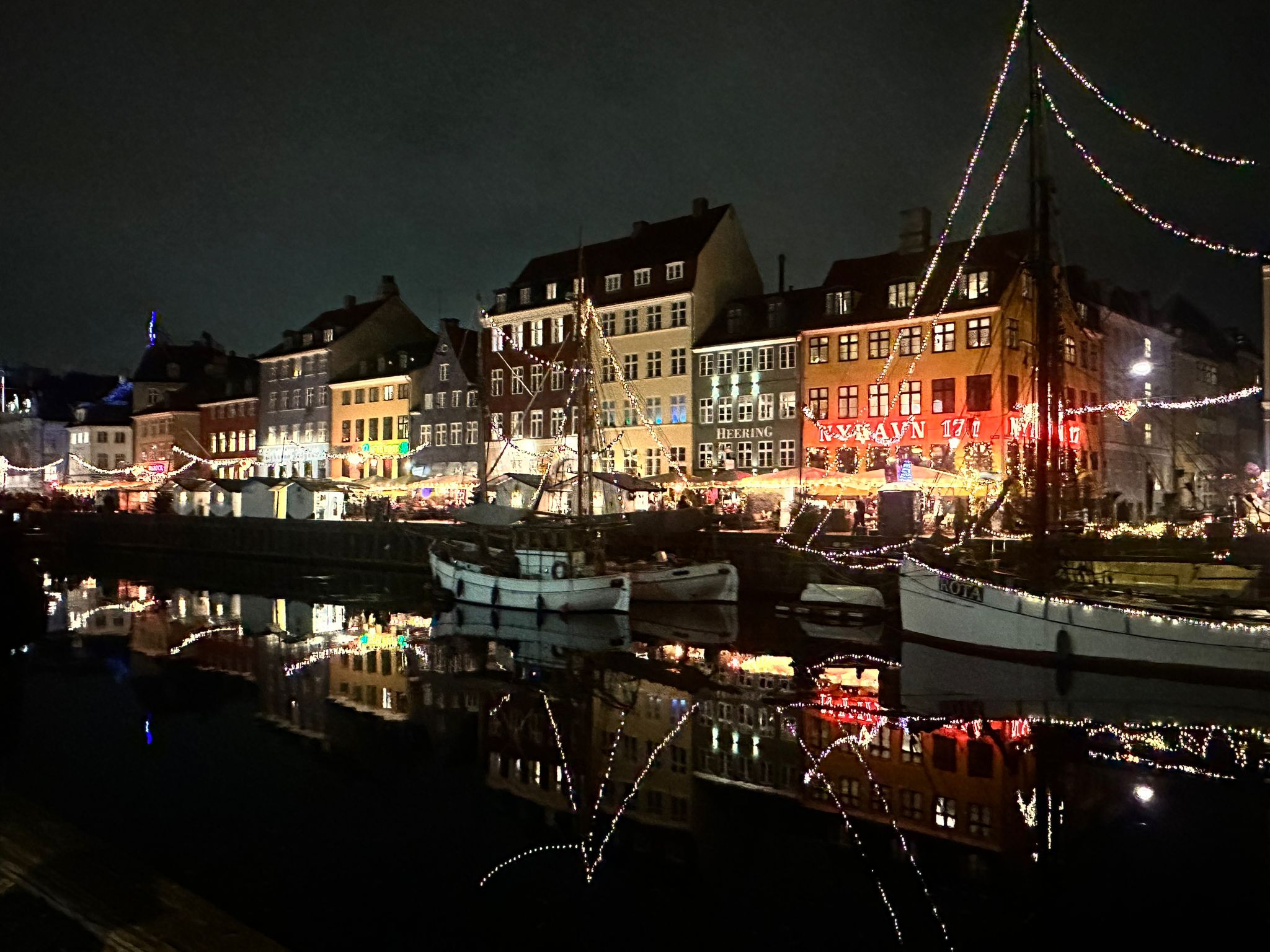
Stroll along the picturesque Nyhavn, Copenhagen’s iconic waterfront district lined with colorful 17th-century townhouses, historic wooden ships, and lively cafés. Once a bustling port, it’s now a vibrant hub where locals and visitors gather to enjoy the charming atmosphere and canal views. A quintessential Copenhagen experience!
Christiania (short respectful visit)
The next place you will see is Christiania, a unique and culturally diverse area founded in 1971 on former military land after the Danish army left the site. Known for its colorful houses, creative lifestyle, and strong sense of community, it has developed its own identity, including the red flag with three yellow dots. Very different from the rest of Copenhagen, Christiania represents an important part of the city’s modern social and cultural history.
Church of Our Saviour
The next landmark you will see is the Church of Our Saviour, one of Copenhagen’s most striking churches. Completed in the late 17th century, it is famous for its dramatic Baroque tower and distinctive golden spiral staircase, which winds around the outside of the spire to the top. Added in 1752, it remains one of the city’s most recognizable landmarks.
The Circle Bridge
The next landmark you will see is the Circle Bridge, a unique pedestrian and bicycle bridge designed by the Danish-Icelandic artist Olafur Eliasson. Opened in 2015, its design features five connected circular platforms with tall masts that resemble sailing ships. It connects Christianshavn with the historic city center and stands out as one of Copenhagen’s most creative modern landmarks.
Christiansborg Palace
Our next stop is Christiansborg Palace, one of Copenhagen’s most historic and important landmarks. Located on Slotsholmen, it is at the heart of Danish political life and houses the Parliament, the Supreme Court, and the Prime Minister’s Office, while still being used by the Royal Family for official events.
Rådhuspladsen (City Hall Square)
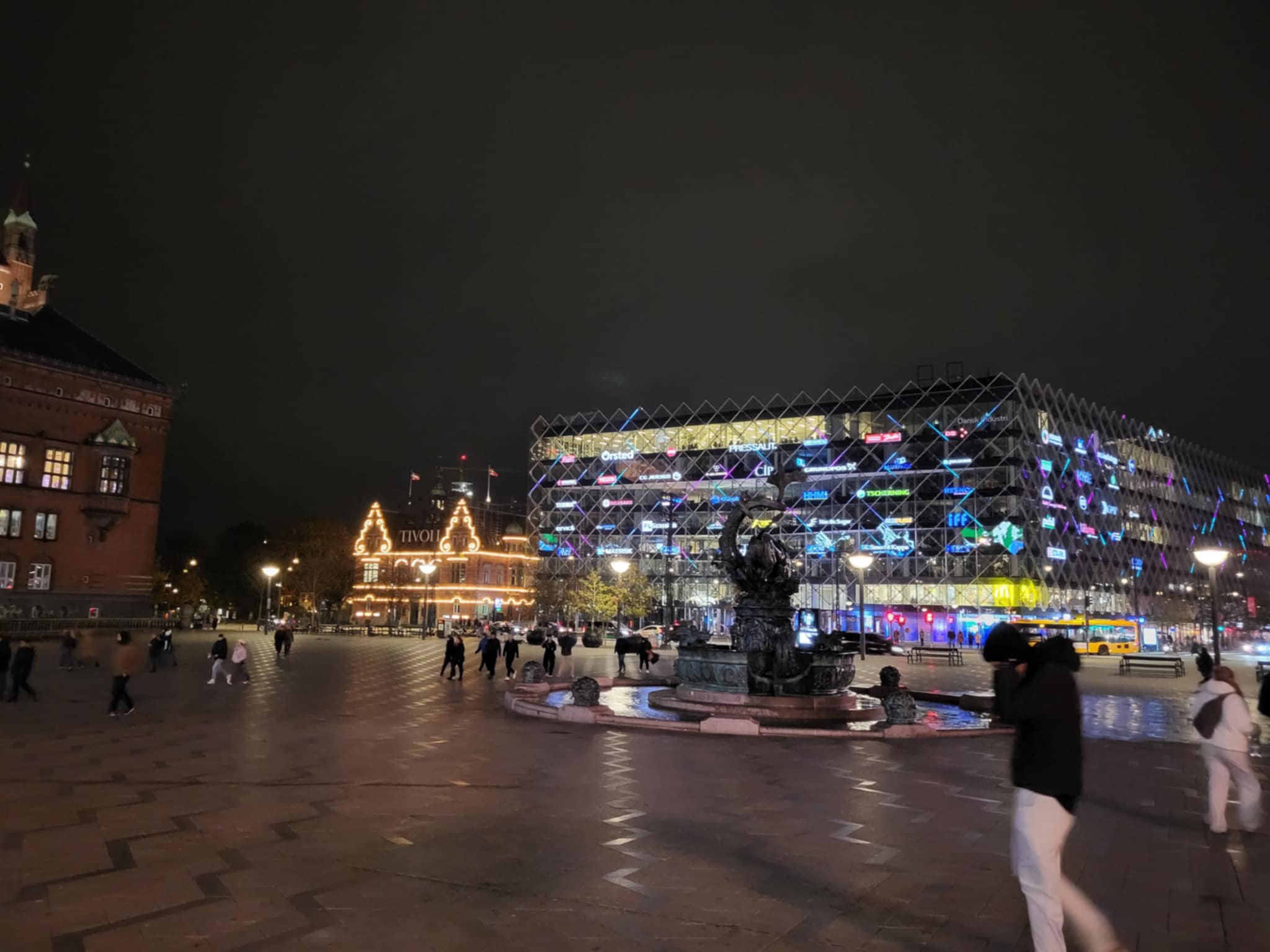
The next stop is Rådhuspladsen, one of Copenhagen’s main public squares. Here you will see City Hall, completed in 1905 and designed by Martin Nyrop. Inspired by Danish medieval and Italian Renaissance styles, it stands as one of the city’s most distinctive examples of National Romantic architecture.
Tivoli Gardens (outside stop)
The next stop is Tivoli Gardens, one of the oldest amusement parks in the world, opened in 1843. More than just a theme park, Tivoli combines rides, gardens, live music, restaurants, and magical evening lights in the heart of Copenhagen. Its historic charm and intimate atmosphere make it very different from modern amusement parks.
Round Tower
The next stop is the Round Tower. Built in the 17th century by King Christian IV, it was part of a larger scientific complex that reflected Denmark’s strong tradition in astronomy and learning. Instead of regular stairs, the tower features a unique spiral ramp that gently leads to the top, making the climb easier than many visitors expect.
Rosenborg Castle
The next stop is Rosenborg Castle, one of Copenhagen’s most beautiful Renaissance landmarks. Built by King Christian IV in the early 17th century, the castle reached its present form in 1624. Surrounded by the King’s Garden, Denmark’s oldest royal park, Rosenborg is a fine example of Dutch Renaissance architecture. Today, it houses the Danish Crown Jewels and other royal treasures, offering visitors a glimpse into centuries of Danish royal history. Adjacent to the castle are the barracks of the Royal Life Guards.
End: Borgergade 30, 1300 København
From Rosenborg Castle, we cycle back to the starting point to conclude the tour. Along the way, you can enjoy one last ride through the heart of Copenhagen and reflect on the landmarks and stories experienced throughout the journey.
Includes & Excludes
Professional Guide
Entrance Fees
Food and Drinks
Hotel Pickup
Requirements
Comfortable walking shoes Mandatory
Gallery
Location
Frequently Asked Questions
Yes, the route is accessible.
Reviews (0)
Write a ReviewNo reviews yet
Be the first to review this tour!
Tour Details
Destination
Denmark
Duration
3.00 Hours
Difficulty
Easy
Min Participants
1
Max Participants
20
Starts From
USD 59 / Person
USD 79
Save 50%Why Book With Us
Live Tour Guide
24/7 Support
Enquire Us
Provider Details
Compenhagenmemories
Member Since : 16 Dec 2025
Call Us : 01862420119
Email : info@compenhagenmemories.com
